
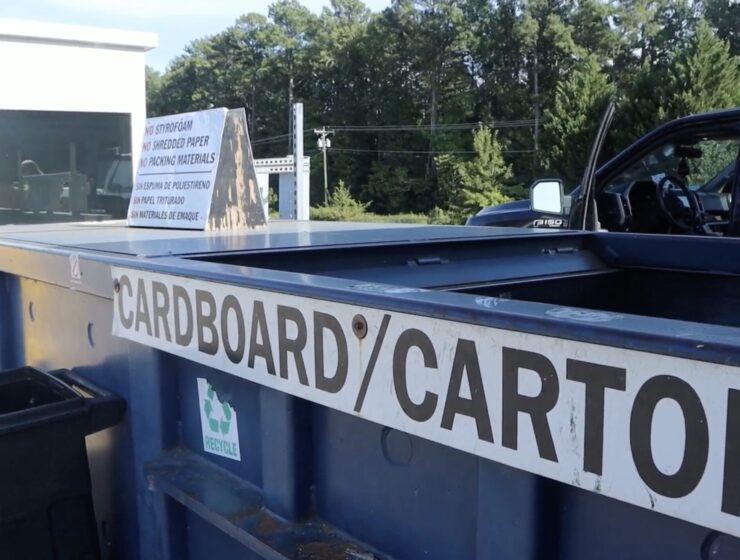
Story by Connor Foote DURHAM, NC — Bryce Brooks has spent most of her professional…

Uncertain futures: Asylum in the legal system
With shifting policy memos, the existing backlog in the immigration system grows. UNC-Chapel Hill’s immigration clinic represents their clients seeking asylum and provides resources for them. However, law students in the clinic are also finding out how tough it is.

After the Emergency Room: A Web of Care
After youth in mental and behavioral health crises exit the hospital, the transition into daily life requires an extensive support system. Battling resource shortage and other issues, youth care providers still persevere. However, cracks allow for some to fall through the web.

North Carolina public schools debate AI and technological approach to safety
North Carolina school districts are debating AI-based school safety systems that monitor cameras for threats like weapons, smoke or suspicious behavior. Supporters say the technology could improve emergency response, while critics worry about false positives, privacy and increased surveillance. Some districts adopted pilot programs, while others rejected them over ethical and safety concerns.
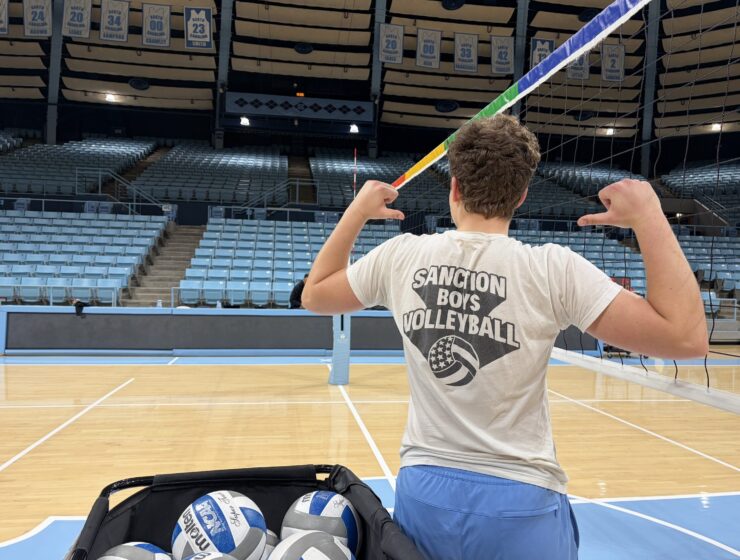
From Four Teams to a Movement: North Carolina boys volleyball is finally sanctioned
This story captures the moment North Carolina boys’ high school volleyball finally achieves official sanctioning, tracing the nearly decade-long journey that made it possible. At its center is Sarah Conklin, a parent who started with a simple goal — helping her son find a place to play — and ended up leading a statewide movement. What began with just four teams has grown into nearly 200, fueled not by institutional support but by volunteers, families and players who built the sport from the ground up. The article shows how that grassroots effort reached a turning point with the N.C. High School Athletic Association’s vote, marking both a long-awaited victory and the beginning of a new era.
Through the voices of players, coaches and advocates, the story also explores what it took to sustain that growth without official recognition — from fundraising for basic equipment to fighting lingering stereotypes about boys in volleyball. Their experiences reveal both the passion behind the sport and the inequities that existed from school to school. With sanctioning now secured, the piece emphasizes what this moment means going forward: expanded access, greater legitimacy and a clearer pathway for future athletes. Ultimately, it frames the milestone as something bigger than a policy change — a testament to persistence, community and the power of building opportunity where none existed before.
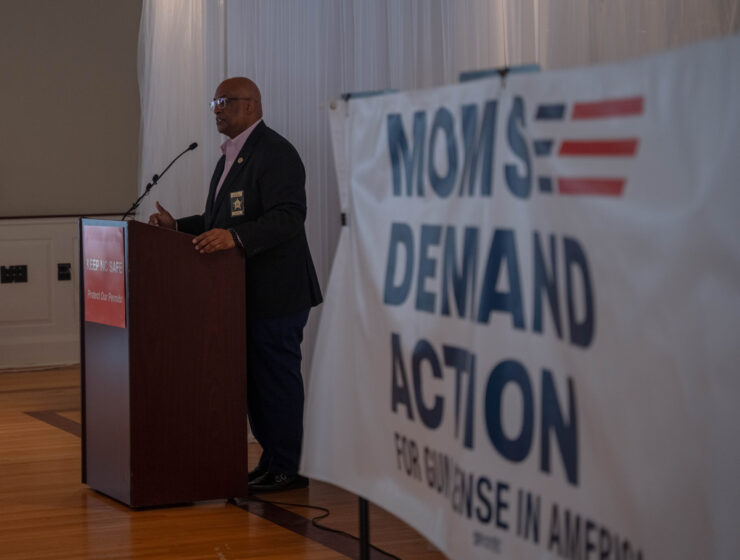
NC Advocacy Against SB50
Advocates from across North Carolina gathered in Raleigh for Advocacy Day, organized by NCGV, Moms Demand Action, Students Demand Action and Giffords, to oppose Senate Bill 50. Supporters met lawmakers, shared personal concerns about gun violence and urged legislators to uphold Gov. Josh Stein’s veto protecting concealed carry permit requirements.
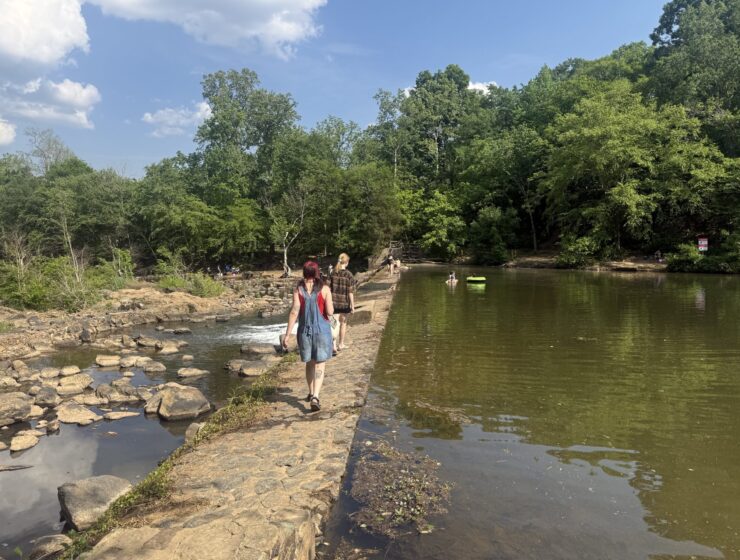
Western North Carolina’s rebuilding and recovery barriers, 1.5 years on from Helene
A year and a half after Hurricane Helene, Western North Carolina’s recovery remains uneven, with rural and low-income communities still struggling. Barriers like geography, poverty and delayed aid hinder rebuilding and worsen health risks. Despite ongoing challenges, strong community support and resilience have emerged as lasting impacts of the disaster.
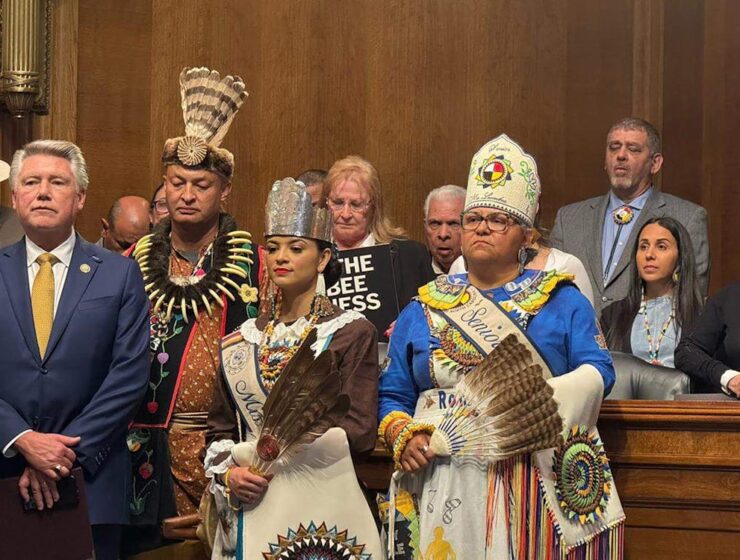
Recognition Does Not Create Identity: The Lumbee Tribe of North Carolina’s Federal Recognition Story
UNC student Peyton Brooks and Lumbee voices reflect on the tribe’s 2025 federal recognition after centuries of advocacy. The milestone brings validation, new opportunities in education and healthcare, and renewed cultural pride, while emphasizing identity existed long before recognition and that future progress will require continued effort and community resilience.
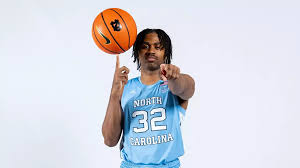
‘Everything I imagined and more’: The story of UNC basketball’s last JV player
When UNC basketball player Evan Smith runs out onto the floor of the Dean Smith Center, he wears the number 32 across his back. But as the last-ever varsity walk-on from the now-defunct JV basketball team, Smith’s journey to Roy Williams Court wasn’t quite like theirs.
“The Wild West:” Five years in, a look at NIL
By Annika Duneja When the U.S. Supreme Court legalized Name, Image, Likeness (NIL) in 2021, people knew…