
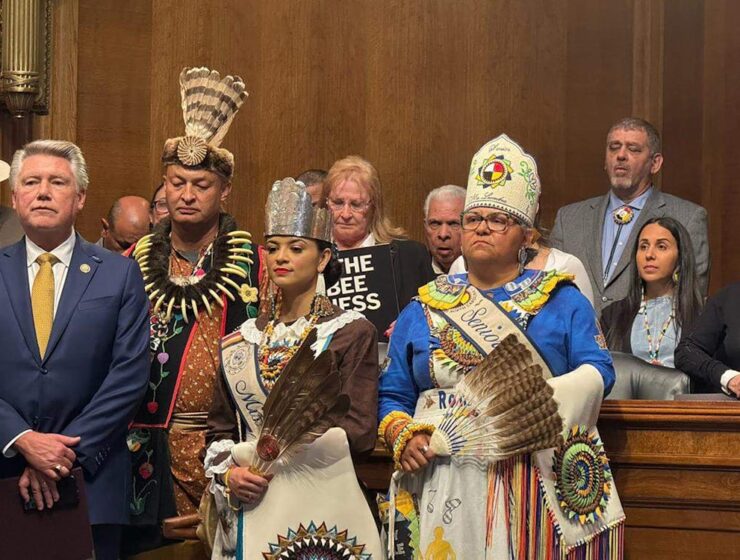
UNC student Peyton Brooks and Lumbee voices reflect on the tribe’s 2025 federal recognition after centuries of advocacy. The milestone brings validation, new opportunities in education and healthcare, and renewed cultural pride, while emphasizing identity existed long before recognition and that future progress will require continued effort and community resilience.
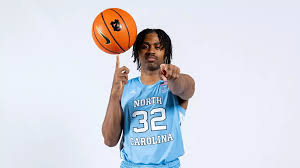
‘Everything I imagined and more’: The story of UNC basketball’s last JV player
When UNC basketball player Evan Smith runs out onto the floor of the Dean Smith Center, he wears the number 32 across his back. But as the last-ever varsity walk-on from the now-defunct JV basketball team, Smith’s journey to Roy Williams Court wasn’t quite like theirs.
“The Wild West:” Five years in, a look at NIL
By Annika Duneja When the U.S. Supreme Court legalized Name, Image, Likeness (NIL) in 2021, people knew…
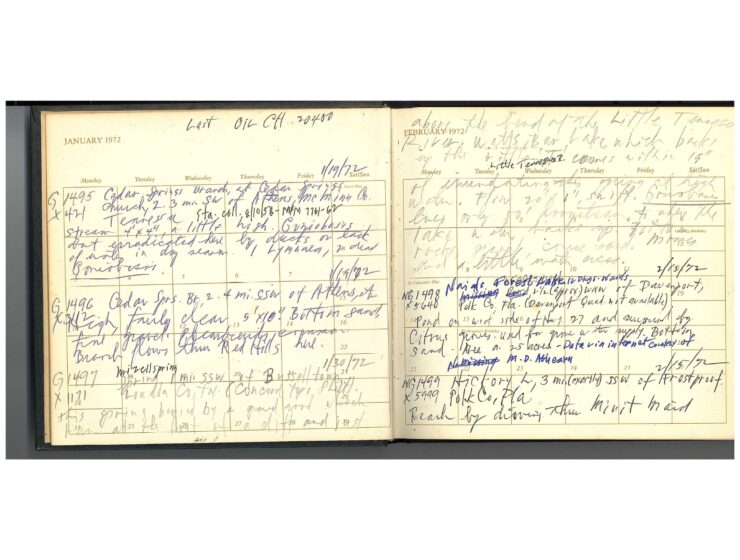
How AI Could Solve Natural History’s Biggest Research Challenge
Natural history museums face massive backlogs of undigitized specimens and data. Researchers are using AI to speed up tasks like reading handwritten notes, analyzing images and processing video. While not perfect, these tools can save time and expand research, helping scientists better understand biodiversity, despite environmental costs and technical limitations.

The Scoop: Nutrition
This multimedia package explores differences between U.S. and European food systems through reporting, photos and audio. While Americans focus on additives like dyes, experts say overall diet quality matters more. The story highlights processed foods, misleading “clean labels,” and barriers to accessing fresh, nutritious options, emphasizing whole foods and informed choices.
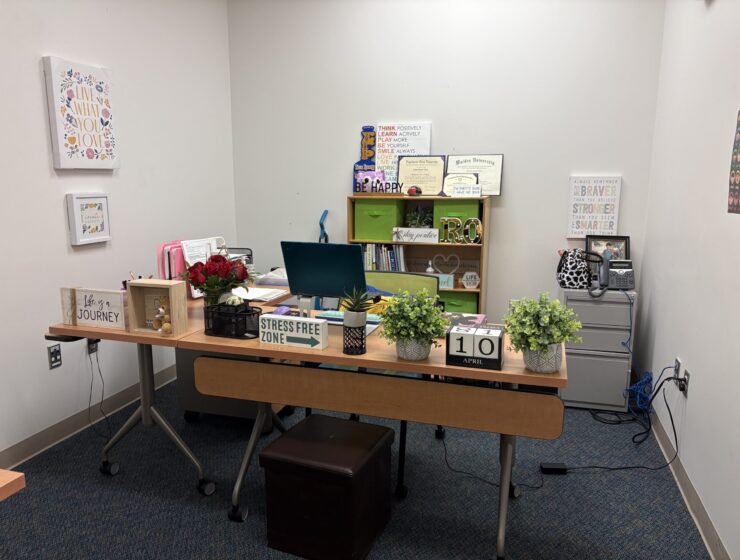
Schools are a frontline to youth suicide prevention
Suicide is the second leading cause of death for youths in the United States, and the rates continue to escalate. Many youths in crisis are directed to the emergency department but end up waiting for days in the ER for a psychiatric bed. But what if the signs of mental distress in youths can be caught early and avoid an ER visit altogether? Embedding mental health services in schools offers a solution.

As housing costs rise, investing feels different for a generation trying to plan ahead
Rising housing costs are reshaping how young adults approach financial planning, often delaying investing and homeownership. UNC students collaborating with Vanguard explore how UX design can make financial tools clearer and more trustworthy. As affordability strains budgets, financial literacy, transparency and personalized planning become essential for navigating an increasingly expensive transition into adulthood.
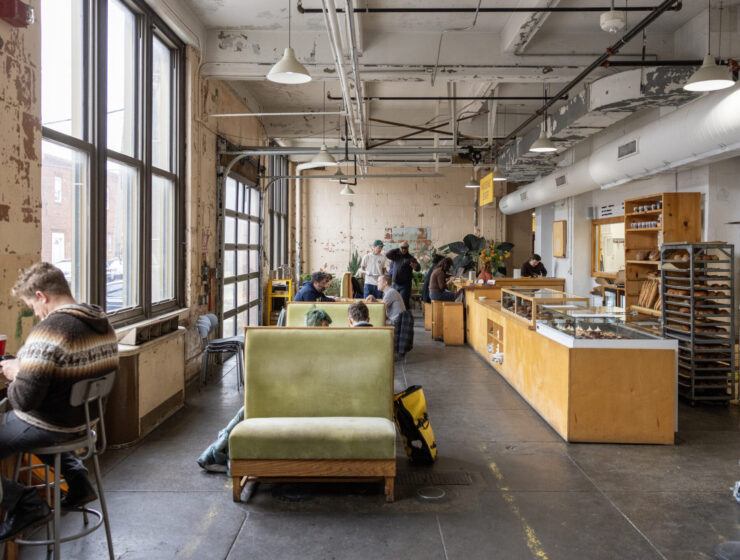
How the Knight Foundation helps power UNC Hussman — and why that matters far beyond Chapel Hill
This story takes readers inside the evolving partnership between the John S. and James L. Knight Foundation and the UNC Hussman School of Journalism and Media, showing how one of the nation’s most influential journalism philanthropies is helping shape the future of media education. Through interviews with foundation leaders, faculty, and administrators, the piece explores how Knight’s investments go far beyond funding — supporting research centers, innovative classrooms, and faculty positions that directly respond to the challenges facing journalism today, from the collapse of local news to the rise of artificial intelligence and changing audience habits.
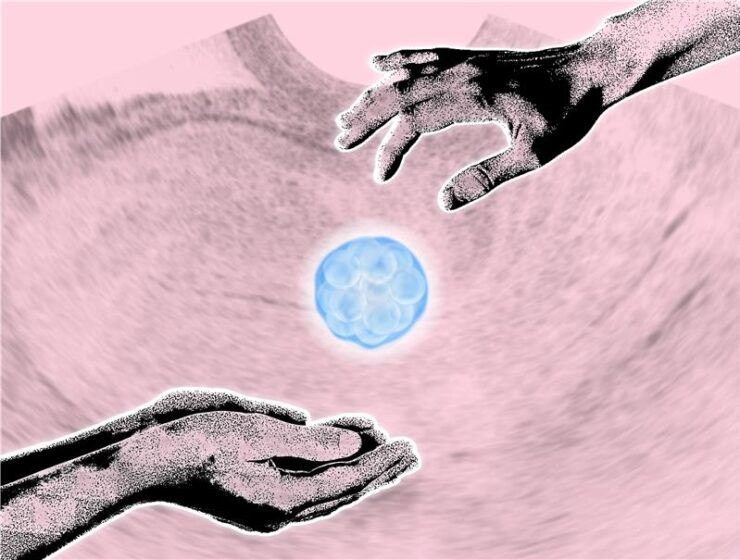
Embryo donation provides new route to parenthood
Embryo donation allows unused IVF embryos to help others build families, with about 1.5 million frozen in the U.S. While it offers hope for infertility, it raises emotional and ethical concerns about genetic ties. Growing awareness, support networks and medical advances continue shaping decisions around this complex family-building option.
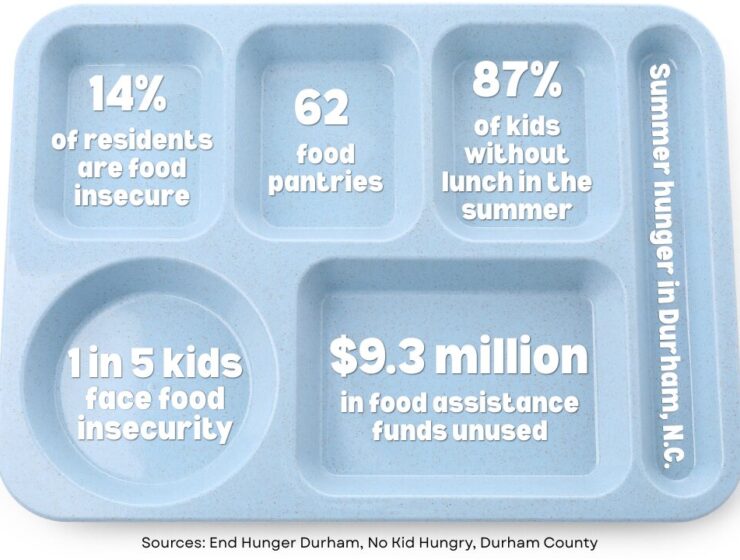
When School Ends, Hunger Doesn’t: How Durham Communities Are Filling the Summer Gap
When school ends, thousands of Durham children lose a critical source of daily nutrition. With participation in summer meal programs low and barriers like transportation and awareness limiting access, families are left to fill the gap. Community programs are working to respond, but the break enables greater issues surrounding childhood hunger.