

North Carolina school districts are debating AI-based school safety systems that monitor cameras for threats like weapons, smoke or suspicious behavior. Supporters say the technology could improve emergency response, while critics worry about false positives, privacy and increased surveillance. Some districts adopted pilot programs, while others rejected them over ethical and safety concerns.
Education
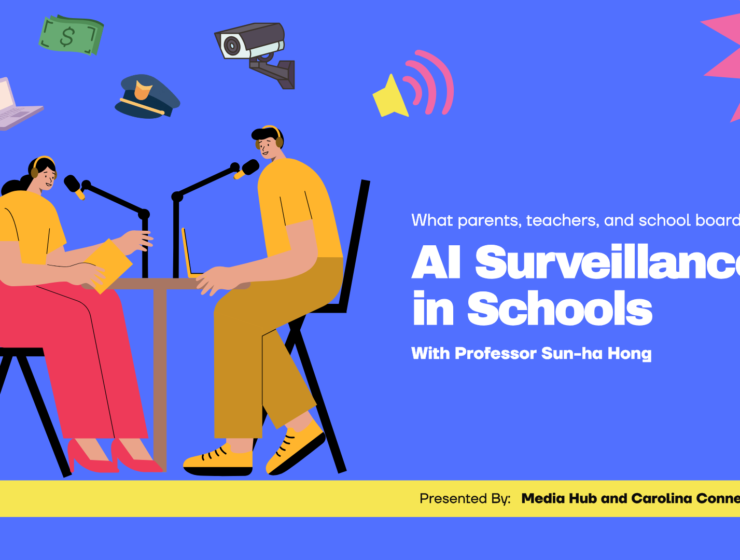
The Classroom Under Watch: AI Surveillance in Schools and the Ethics Behind It
This investigative podcast looks at how AI-based surveillance tools are being used in schools across the state, drawing on specific local cases. It examines the legal frameworks that govern student monitoring, alongside the ethical concerns around privacy, consent, and the student experience. UNC Professor Sun-ha Hong helps unpack these cases and their potential implications.
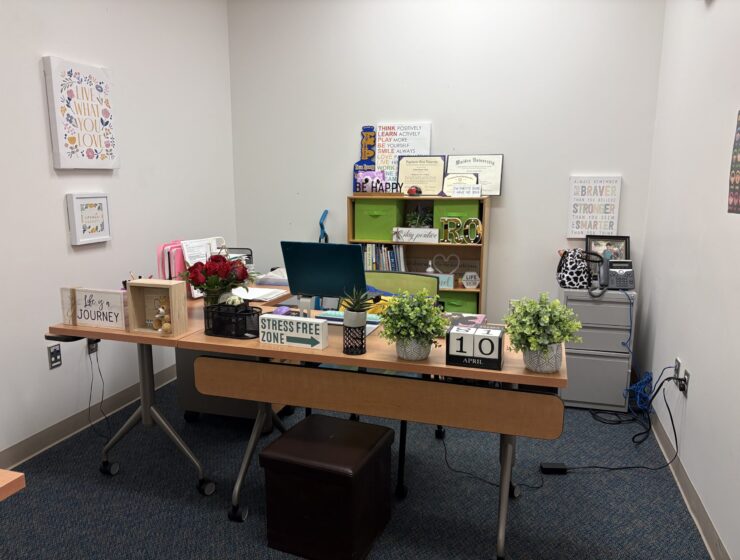
Schools are a frontline to youth suicide prevention
Suicide is the second leading cause of death for youths in the United States, and the rates continue to escalate. Many youths in crisis are directed to the emergency department but end up waiting for days in the ER for a psychiatric bed. But what if the signs of mental distress in youths can be caught early and avoid an ER visit altogether? Embedding mental health services in schools offers a solution.
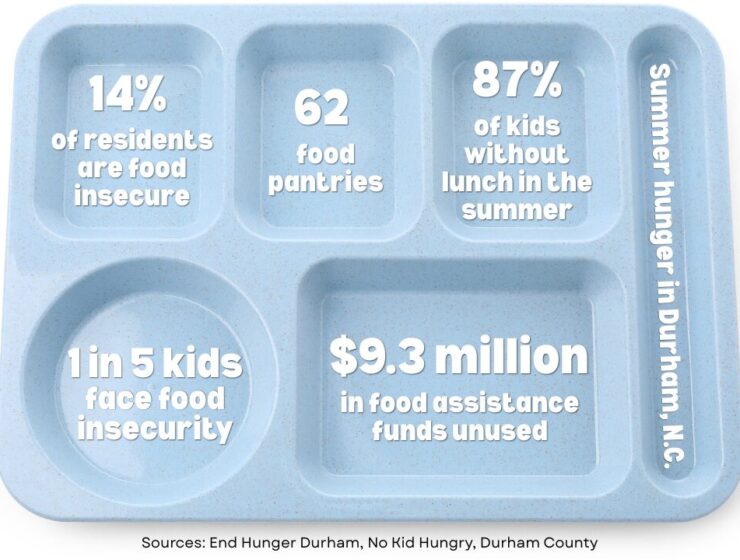
When School Ends, Hunger Doesn’t: How Durham Communities Are Filling the Summer Gap
When school ends, thousands of Durham children lose a critical source of daily nutrition. With participation in summer meal programs low and barriers like transportation and awareness limiting access, families are left to fill the gap. Community programs are working to respond, but the break enables greater issues surrounding childhood hunger.

ICE activity sparks fear in North Carolina public schools: What community volunteers say should come next
When Immigration and Customs Enforcement (ICE) activity increased across North Carolina, fear kept some families from leaving their homes and children from attending school. In response, schools implemented safety protocols to protect students, while community members mobilized quickly to organize transportation, food distribution, and protection teams. This story examines both those immediate efforts and what they reveal about gaps in existing systems, highlighting what community leaders say must come next.Through interviews with organizers, school officials, and advocates, it highlights growing calls for clearer statewide policies, stronger communication, and more proactive crisis planning to better protect students and families moving forward.Drawing on interviews with organizers, school officials, and advocates, it highlights calls for clearer statewide policies, stronger communication, and more proactive crisis planning to better protect students and families.
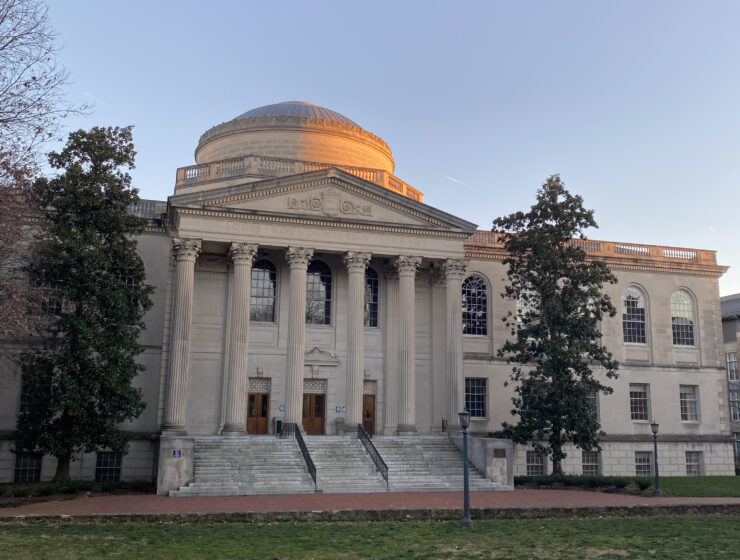
A look into the UNC system’s growing dependence on adjunct labor
An investigation into how and why UNC system schools have increased their use of part-time faculty.
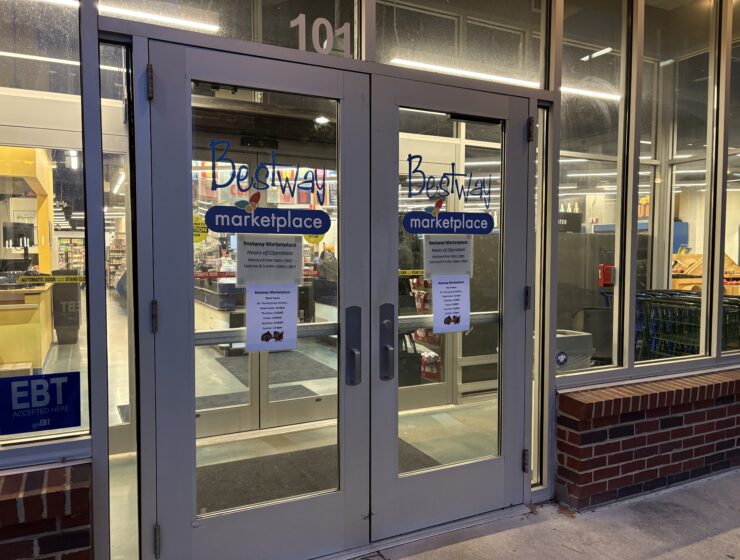
For these university students without cars, grocery stores are inaccessible
For students living on university campuses and without a personal vehicle, getting to a grocery…
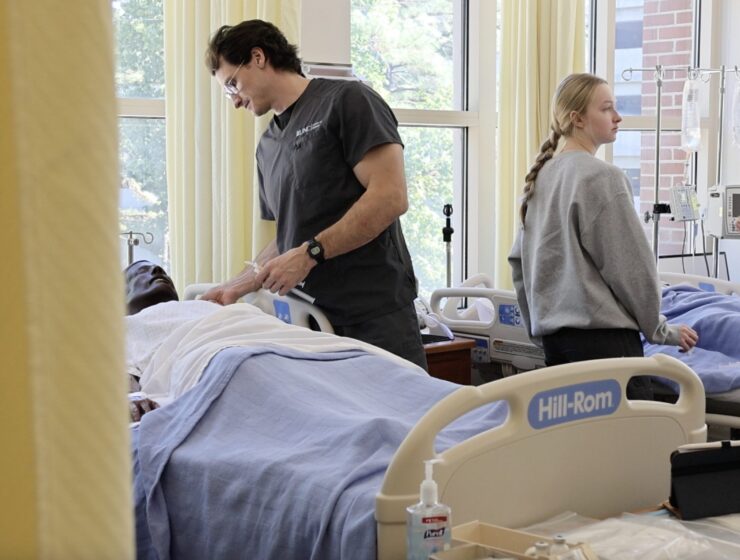
Safe to Care: Inside North Carolina’s Nursing Simulation Revolution
One student is performing a procedure on a manikin, while his teammate observe and help.…

North Carolina universities adapt to artificial intelligence in the classroom
Story by Mary Mungai As artificial intelligence becomes increasingly integrated into the economy, higher education…
‘Backdoor form of a church tax’: Vouchers raise concerns about the separation of church and state
Story by Rachel Moody There are now over 100,000 Opportunity Scholarship Recipients. The Opportunity Scholarship…