
Print Story by Zoe Behrendt
What People Get Wrong About Food
When University of North Carolina exchange student Alannah Nic an tSionnaigh arrived from Ireland, grocery shopping felt unfamiliar almost immediately.
“It’s a lot of packaged goods,” she said. “And the bread is sweeter… and somehow springier.”
Bread lasted longer. The product looked different. And nearly everything, from snacks to pre-packaged meals, seemed designed to sit on shelves far longer than she was used to.
Back home, she said, food felt simpler, and more perishable.
“A lot of times, the bread wouldn’t even last a day,” she said. “You had to eat it when you bought it.”
Her experience highlights a growing conversation in the United States about what’s in food, and what should be.
As the Food and Drug Administration moves toward reducing artificial ingredients, including petroleum-based food dyes, many Americans are paying closer attention to labels than ever before. But some nutrition experts say that focus may be skewed.
A Shift in Focus
In 2026, the FDA outlined priorities that include improving food chemical safety and encouraging a shift toward natural alternatives for additives like synthetic dyes. The goal is to reduce long-term health risks and improve overall nutrition across the country.
The conversation has quickly gained traction online, where influencers and consumers alike are pushing for “cleaner” ingredients and fewer artificial components in everyday foods.
Global Food Systems expert and registered dietitian, Bridget Hollingsworth, argues that the intense focus on certain ingredients may be a reductionist view of a broader systemic challenge.
“There’s very limited evidence to prove that [food dyes] alone are directly causing disease,” Hollingsworth said. “It’s not usually about one ingredient.”
Instead, she said, those ingredients often signal something bigger.
“They’re markers of more processed foods,” she said. “And those foods tend to replace more nutritious options in people’s diets.”
The “Clean Label” Illusion
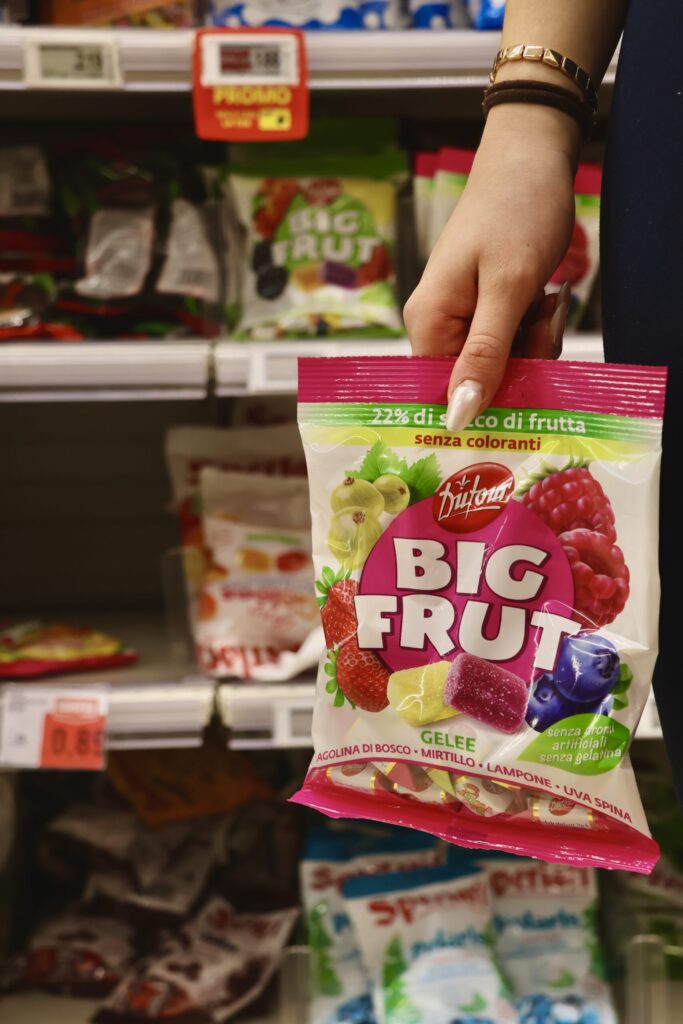
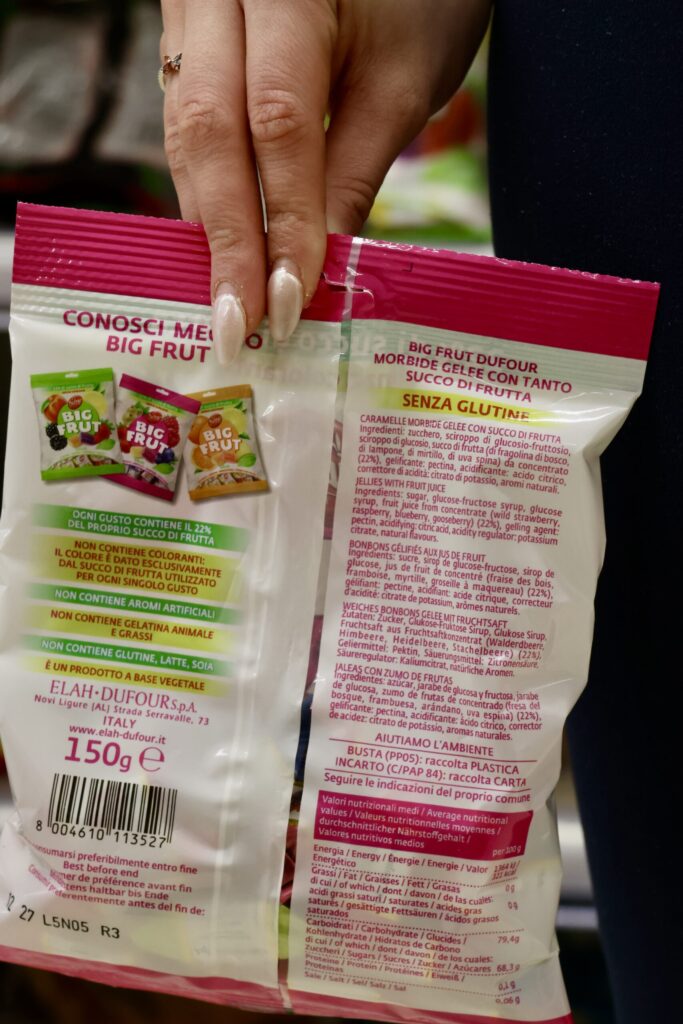
As companies respond to consumer demand, many have begun marketing products with labels like “natural,” “no artificial dyes,” or “clean ingredients.” But those labels don’t always mean a product is healthier.
Hollingsworth said the rise of “clean label” marketing can create a false sense of improvement.
“Some of these products make people feel like they’re making a better choice,” she said. “But nutritionally, it may not actually be that different.”
That perception is often reinforced by social media, where viral videos and influencer posts highlight certain ingredients as harmful while promoting alternatives as inherently better.
“There’s a lot of information out there that focuses on one thing,” Hollingsworth said. “If everyone is only focused on color, then it’s not necessarily going to lead to the changes people actually need to be healthier.”
Sabrina Hartwell, an Olympic sports dietitian for UNC, sees a similar trend among athletes and students navigating nutrition advice online.
“There’s always a new trend telling people to cut something out of their diet,” Hartwell said. “It’s important to look at credible research instead of reacting to what you see online.”
She adds that focusing too heavily on specific ingredients like food dyes can create unnecessary anxiety, especially when larger nutritional factors, like overall diet quality, play a much bigger role in long-term health.
In other words, swapping artificial dyes for natural ones may change how food looks, and how it’s marketed, but not necessarily how it impacts long-term health.
What Actually Matters
For Hollingsworth, the most important factor isn’t a single ingredient, but the overall quality of a person’s diet.
“When I talk to patients, I tell them to focus on foods that are closer to how they came from the farm,” she said. “Fruits, vegetables, beans. Those are the things that are going to have a much bigger impact.”
That perspective is echoed in athletic performance as well.
“There is really no research behind food dyes impacting athletic performance,” Hartwell said. “It’s not one of our macronutrients, so it can’t really add or take away from performance.”
Instead, she emphasizes the importance of overall nutrition, including carbohydrates, hydration and balanced meals, rather than focusing on individual ingredients.
But for those working directly with food production, the difference between processed and whole foods is even more tangible.
At a local farmers market in Chapel Hill, Audrey Thompson, who helps run her family’s business T5 Farms out of Liberty, North Carolina, says many consumers misunderstand the difference between grocery store food and locally grown products.
“A lot of produce in stores is grown to last, not to taste,” Thompson said. “It’s often picked a week or more before it even gets to the shelf.”
Thompson said that impacts both flavor and nutrition.
“You get way more nutrients out of fresh produce,” she said. “And way more flavor.”
Her perspective also challenges the growing reliance on labels like “organic” or “natural,” which she says can be misleading.
“We’re not certified organic,” Thompson said. “But we grow everything basically that way. Labels don’t always tell the full story.”
Instead, she says, understanding where food comes from matters more than what’s printed on the packaging.
“When you’re buying from a farmers market, you can actually talk to the people growing your food,” she said.
The Cost of Eating “Better”
That message can get lost in a culture increasingly driven by convenience and cost.
According to national nutrition data, the majority of Americans do not meet recommended daily intake levels for fruits and vegetables. Instead, diets often rely heavily on processed and packaged foods. The very products most likely to contain additives.
But for many people, those choices aren’t just about preference. They’re about affordability.
“I honestly don’t really know where to start on that,” Nic an tSionnaigh said when asked about the price of food in the United States.
While demand for natural and organic foods continues to rise, those options often come with a higher price tag.
But Thompson says that assumption doesn’t always hold true.
“Some of our products are actually cheaper than what you’d find in stores,” she said. “We only raise prices when our costs go up.”
Still, access remains a challenge.
“A lot of people just don’t know where to go,” Thompson said. “There are so many farmers markets… but people don’t always think to look.”
A Global Perspective
Comparisons between U.S. and European food systems often fuel debates about regulation, with many Americans believing Europe has stricter rules around additives and food safety.
But Hollingsworth cautions against oversimplifying those differences.
“There are actually synthetic dyes allowed in the European Union that aren’t allowed in the U.S.,” she said. “So it’s not always as straightforward as people think.”
While she supports efforts to remove unnecessary additives, she worries that focusing too heavily on those changes could distract from more meaningful improvements.
“I think getting those out of food is a positive step,” she said. “But if we prioritize that over bigger changes in the food system, we might be missing the point.”
That “bigger picture,” she said, includes improving access to nutritious foods, increasing public education around diet and addressing systemic barriers that shape how people eat.
Changing the Conversation
As food policy continues to evolve, experts say the challenge isn’t just reforming what goes into food, but reshaping how people think about it.
The current focus on ingredient lists and labels reflects a growing awareness of health and nutrition, but it can also lead to confusion about what truly matters.
For consumers standing in a grocery aisle, trying to make the “right” choice, that distinction isn’t always clear.
According to both Hollingsworth and Hartwell, the answer is simpler than it might seem.
“It’s not about scanning every ingredient,” Hollingsworth said. “It’s about building a diet that includes more whole, nutrient-dense foods overall.”
Hartwell echoed that sentiment.
“Eating whole foods, limiting excess sugar and making sure you’re getting enough fruits and vegetables throughout the day is going to far supersede worrying about food dyes,” she said.
For Thompson, changing how people think about food goes beyond nutrition alone. “It’s not just about what you’re eating,” she said. “It’s about what you’re supporting.”
Beyond the Plate
As the FDA pushes forward with efforts to reduce artificial ingredients and improve food safety,
those changes may influence how food is made, marketed and consumed across the country.
But experts say lasting health outcomes will depend on more than just what’s removed from products.
They will depend on what’s added back into everyday diets, and whether people have the access, resources and knowledge to make those choices.
Because in the end, the conversation about food isn’t just about what’s on the label. It’s about what’s on the plate.
Photo Story by Megan Patton



Audio Story by Hailey Stone