
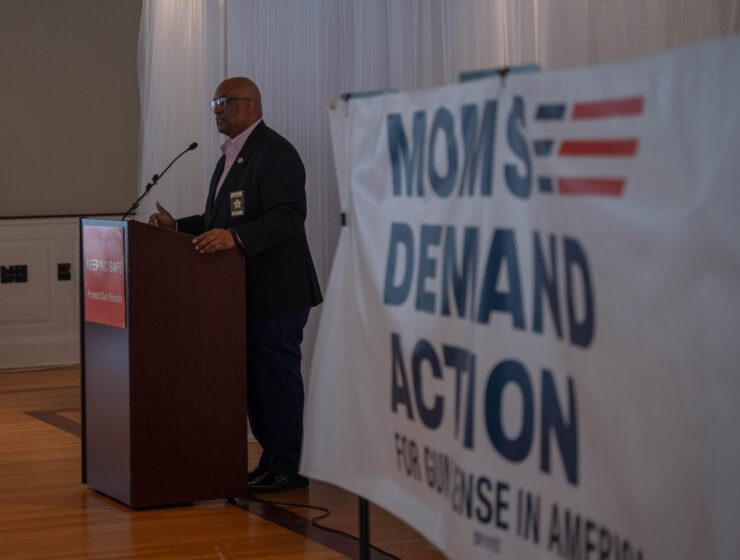
Advocates from across North Carolina gathered in Raleigh for Advocacy Day, organized by NCGV, Moms Demand Action, Students Demand Action and Giffords, to oppose Senate Bill 50. Supporters met lawmakers, shared personal concerns about gun violence and urged legislators to uphold Gov. Josh Stein’s veto protecting concealed carry permit requirements.
Featured Stories
Complete stories that feature works from student authors in all areas of Media Hub’s media specializations.
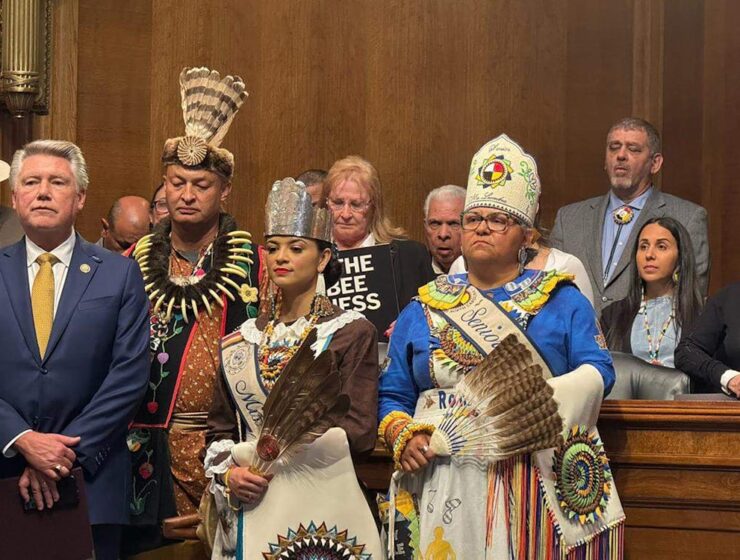
Recognition Does Not Create Identity: The Lumbee Tribe of North Carolina’s Federal Recognition Story
UNC student Peyton Brooks and Lumbee voices reflect on the tribe’s 2025 federal recognition after centuries of advocacy. The milestone brings validation, new opportunities in education and healthcare, and renewed cultural pride, while emphasizing identity existed long before recognition and that future progress will require continued effort and community resilience.
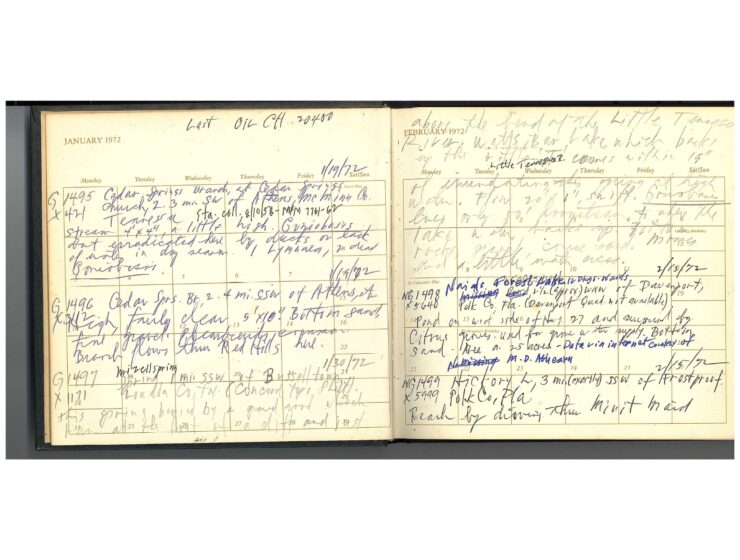
How AI Could Solve Natural History’s Biggest Research Challenge
Natural history museums face massive backlogs of undigitized specimens and data. Researchers are using AI to speed up tasks like reading handwritten notes, analyzing images and processing video. While not perfect, these tools can save time and expand research, helping scientists better understand biodiversity, despite environmental costs and technical limitations.

The Scoop: Nutrition
This multimedia package explores differences between U.S. and European food systems through reporting, photos and audio. While Americans focus on additives like dyes, experts say overall diet quality matters more. The story highlights processed foods, misleading “clean labels,” and barriers to accessing fresh, nutritious options, emphasizing whole foods and informed choices.
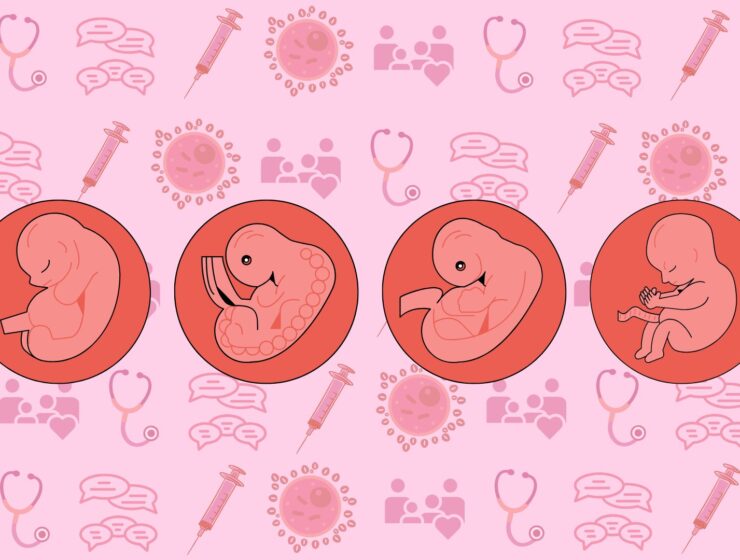
Embryo Donation: Medicine, Ethics and the Making of Families
Story by Regan Rhymes This story explores embryo donation as a growing pathway to parenthood,…
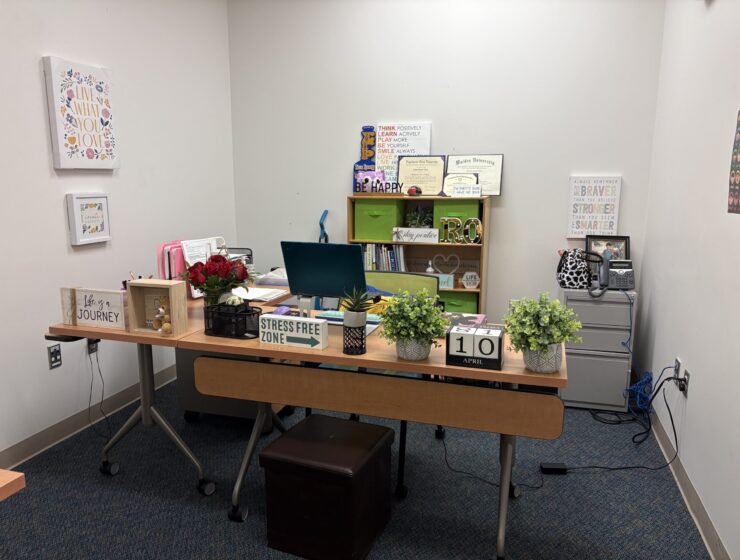
Schools are a frontline to youth suicide prevention
Suicide is the second leading cause of death for youths in the United States, and the rates continue to escalate. Many youths in crisis are directed to the emergency department but end up waiting for days in the ER for a psychiatric bed. But what if the signs of mental distress in youths can be caught early and avoid an ER visit altogether? Embedding mental health services in schools offers a solution.

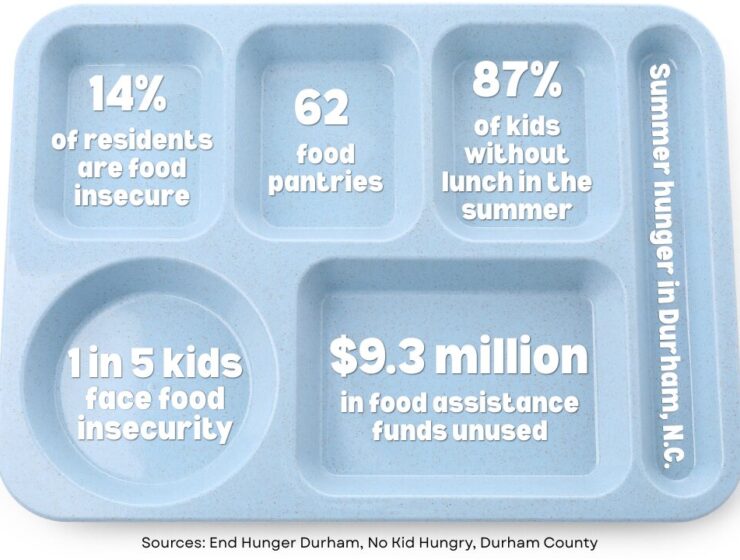
When School Ends, Hunger Doesn’t: How Durham Communities Are Filling the Summer Gap
When school ends, thousands of Durham children lose a critical source of daily nutrition. With participation in summer meal programs low and barriers like transportation and awareness limiting access, families are left to fill the gap. Community programs are working to respond, but the break enables greater issues surrounding childhood hunger.

ICE activity sparks fear in North Carolina public schools: What community volunteers say should come next
When Immigration and Customs Enforcement (ICE) activity increased across North Carolina, fear kept some families from leaving their homes and children from attending school. In response, schools implemented safety protocols to protect students, while community members mobilized quickly to organize transportation, food distribution, and protection teams. This story examines both those immediate efforts and what they reveal about gaps in existing systems, highlighting what community leaders say must come next.Through interviews with organizers, school officials, and advocates, it highlights growing calls for clearer statewide policies, stronger communication, and more proactive crisis planning to better protect students and families moving forward.Drawing on interviews with organizers, school officials, and advocates, it highlights calls for clearer statewide policies, stronger communication, and more proactive crisis planning to better protect students and families.

The Scoop: Gymnastics
Photo, audio, and video package by Megan Patton, Hailey Stone, and Zoe Behrendt on UNC Gymnastics.