Media Type

As housing costs rise, investing feels different for a generation trying to plan ahead

Rising housing costs are reshaping how young adults approach financial planning, often delaying investing and homeownership. UNC students collaborating with Vanguard explore how UX design can make financial tools clearer and more trustworthy. As affordability strains budgets, financial literacy, transparency and personalized planning become essential for navigating an increasingly expensive transition into adulthood.

How the Knight Foundation helps power UNC Hussman — and why that matters far beyond Chapel Hill

This story takes readers inside the evolving partnership between the John S. and James L. Knight Foundation and the UNC Hussman School of Journalism and Media, showing how one of the nation’s most influential journalism philanthropies is helping shape the future of media education. Through interviews with foundation leaders, faculty, and administrators, the piece explores how Knight’s investments go far beyond funding — supporting research centers, innovative classrooms, and faculty positions that directly respond to the challenges facing journalism today, from the collapse of local news to the rise of artificial intelligence and changing audience habits.

Embryo donation provides new route to parenthood 

Embryo donation allows unused IVF embryos to help others build families, with about 1.5 million frozen in the U.S. While it offers hope for infertility, it raises emotional and ethical concerns about genetic ties. Growing awareness, support networks and medical advances continue shaping decisions around this complex family-building option.

When School Ends, Hunger Doesn’t: How Durham Communities Are Filling the Summer Gap

When school ends, thousands of Durham children lose a critical source of daily nutrition. With participation in summer meal programs low and barriers like transportation and awareness limiting access, families are left to fill the gap. Community programs are working to respond, but the break enables greater issues surrounding childhood hunger.

The numbers game: The rise and cost of analytics in sports 

Baseball scouting evolved from skepticism toward technology to heavy reliance on analytics. Early resistance to tools like radar guns faded as their value became clear. The 2015 launch of StatCast accelerated data use, transforming player evaluation and development across all levels, boosting performance while introducing new risks associated with data-driven training.

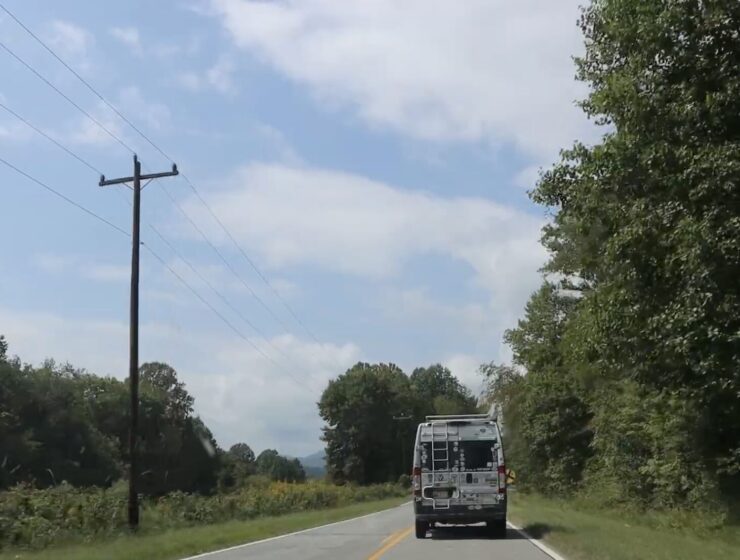
A look at bridge maintenance in rural eastern and western North Carolina 

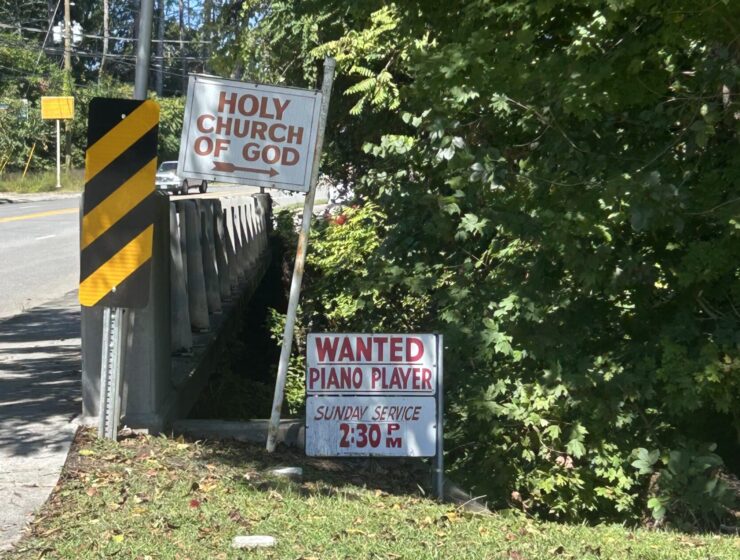
North Carolina maintains over 18,000 bridges with limited crews and funding, making repairs challenging, especially in rural areas. Geographic factors like coastal erosion and mountain storms worsen conditions. Despite constraints, only 6.8% of rural bridges are in poor condition, and inspectors prioritize safety while balancing budget, staffing and urgent infrastructure needs statewide.

Our Part in Trump’s National Farm Security Action Plan: All About the N.C. Farmland & Military Protection Act

North Carolina’s HB 133 restricts foreign adversaries from acquiring agricultural land to protect food security. Despite such concerns, USDA data shows foreign investors own only 3.6% of U.S. farmland, mostly from allies like Canada. Chinese ownership remains under 1%, raising questions about the scale of the perceived security threat.

ICE activity sparks fear in North Carolina public schools: What community volunteers say should come next

When Immigration and Customs Enforcement (ICE) activity increased across North Carolina, fear kept some families from leaving their homes and children from attending school. In response, schools implemented safety protocols to protect students, while community members mobilized quickly to organize transportation, food distribution, and protection teams. This story examines both those immediate efforts and what they reveal about gaps in existing systems, highlighting what community leaders say must come next.Through interviews with organizers, school officials, and advocates, it highlights growing calls for clearer statewide policies, stronger communication, and more proactive crisis planning to better protect students and families moving forward.Drawing on interviews with organizers, school officials, and advocates, it highlights calls for clearer statewide policies, stronger communication, and more proactive crisis planning to better protect students and families.